If you ask any local what makes this stretch of the Orange County coast special, sooner or later the conversation turns to the water, and to the giants that swim just beyond the breakwater. Whale watching out of Dana Point Harbor has become one of the most popular reasons people visit this part of Southern California, and for good reason: Dana Point is widely known as the **Whale Watching** Capital of the World, with marine life passing through these waters essentially every month of the year.
Whether you are a first-time visitor or you have spent plenty of mornings on the harbor, a whale watching tour here delivers something memorable. Here is what you need to know before you head out.
Why Dana Point Harbor Is a Whale Watching Hotspot
The geography does most of the heavy lifting. Deep underwater canyons sit remarkably close to shore, which means nutrient-rich water and the krill and fish that whales feed on are often just a few miles out. That proximity is part of why whale watching in Dana Point so frequently produces sightings within a short boat ride of the harbor mouth.
Dana Point also carries a meaningful distinction: it was named the first Whale Heritage Area in the Americas, a designation tied to responsible and sustainable whale watching practices. In plain terms, that means the operators here take the well-being of the animals seriously, which is good for the whales and good for your experience.
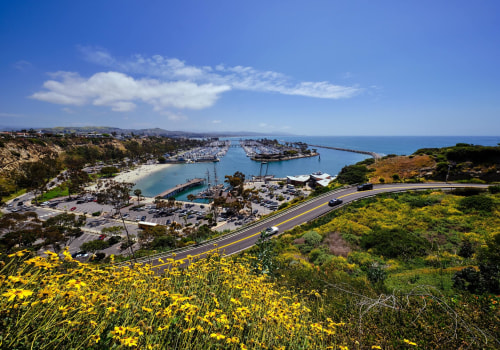
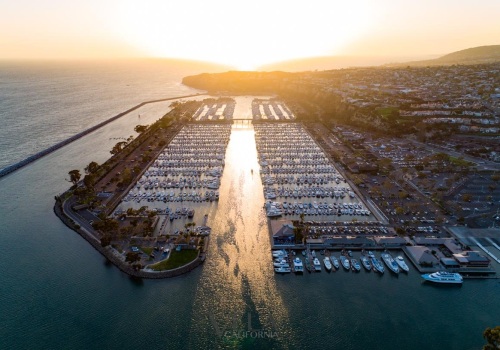
If you want to plan a full day around the harbor, it helps to understand the area first. Our guide on what makes Dana Point special covers the character of the town, and if you are curious about the harbor itself, you might enjoy reading about what year the Dana Point Harbor was built.
The Best Time of Year for Whale Watching
One of the best things about whale watching Dana Point Harbor offers is that there is no truly bad time to go. That said, the season you choose shapes which species you are likely to see.
From roughly November through May, the gray whales take center stage. These animals make one of the longest migrations of any mammal, traveling thousands of miles between the cold feeding grounds near Alaska and the warm breeding lagoons of Baja California. Their migration route passes directly through Dana Point, and on the northbound leg you sometimes get the treat of seeing mothers traveling with newborn calves.
From about May through November, attention shifts to the blue whales, the largest animals ever known to have lived on Earth. They arrive to feed on dense clouds of krill offshore, and spotting one is a genuine bucket-list moment. Beyond the headliners, whale watching tours out of Dana Point regularly encounter fin whales, minke whales, humpback whales, and the occasional orca; and dolphins, often in large pods, show up on the vast majority of trips no matter the season.
What to Expect on a Whale Watching Tour
Most **whale watching** trips out of the harbor run between two and three hours, with longer excursions available at certain times of year. Crews tend to know the water intimately and will position the boat for the best, and most respectful, viewing distance.
A few practical tips: bring a light jacket even on warm days, because it is always cooler out on the open water; pack sunscreen, sunglasses, and a hat; and keep a camera ready for the moments when a whale lifts its tail before a dive (called fluking) or slaps the surface (called lobtailing).
If you would like to book a trip, a reliable local option for whale watching out of Dana Point Harbor is Pacific Whale Tours Dana Point, which runs excursions right out of the harbor and is a solid choice for both first-timers and returning visitors.
Combine Whale Watching With a Day on the Water
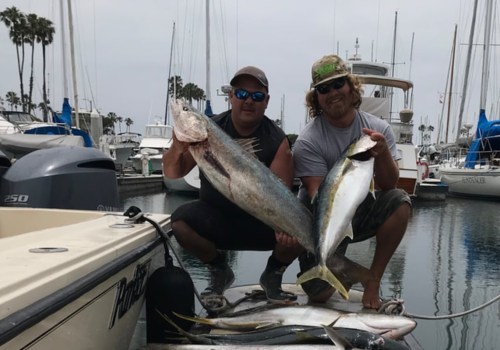
Half the fun of a Dana Point trip is that you do not have to stop at whale watching. The same harbor that launches the whale watching tours is a hub for fishing, and the coastline here is one of the more productive in Southern California.
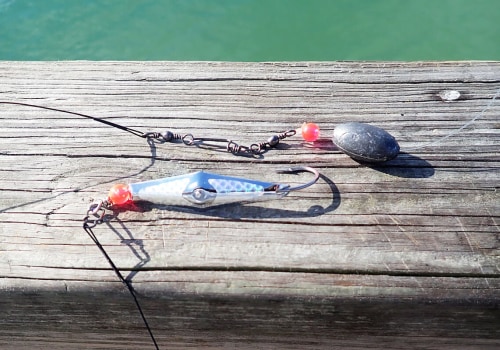
For anglers planning to wet a line on the same trip, it is worth understanding the rules in advance. Whale watching out of Dana Point Harbor is one of those rare activities that lives up to the hype. With gray whales in the cooler months, blue whales in the warmer ones, year-round dolphins, and a harbor built for adventure, it is easy to see why this little stretch of coast earned its reputation. Pick your season, dress for the water, bring your camera, and get ready for a day you will be talking about long after you are back on dry land.